Tub-to-shower conversion plumbing in Grand Rapids
Quick answer: A tub-to-shower conversion in Grand Rapids usually costs $1,200 to $3,500 for the plumbing alone. The plumber moves or enlarges the drain for the shower pan, installs a new shower valve and raises the showerhead. Tile, glass and the pan itself are extra.
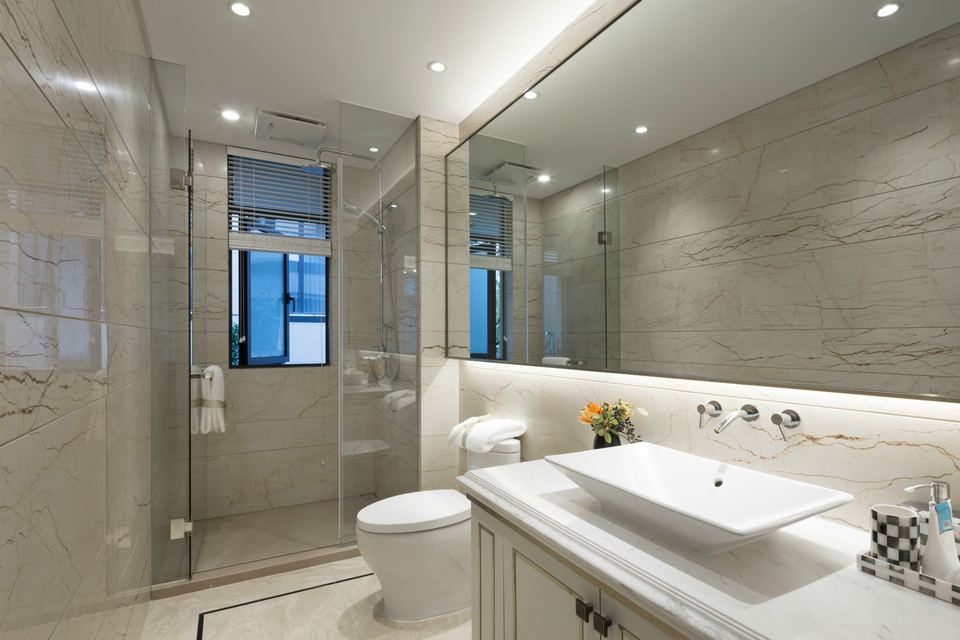
- Plumbing cost
- $1,200 – $3,500
- Plumbing time
- 1 to 2 days
- Permit
- Usually required
- Key detail
- Drain size + pan test
What is a tub-to-shower conversion?
A tub-to-shower conversion is a remodel that removes a bathtub and puts a walk-in shower in the same space. The footprint stays about the same. The plumbing changes more than you’d think.
The drain has to move to the new shower pan. The valve is usually replaced and moved to a better height. The showerhead goes higher, since you no longer need the tub spout.
What plumbing changes in the conversion?
Three things change behind the wall and under the floor:
- The drain. It moves from the tub end to the shower drain spot. Many showers need a 2-inch drain, while older tubs often used 1½-inch.
- The valve. A new anti-scald valve replaces the old one, set at a height you can reach from outside the spray.
- The spout and showerhead. The tub spout is capped off and the shower arm is raised.
In Grand Rapids homes with a basement or crawlspace below, the drain work is simple. On a second floor it means opening the ceiling below.
What does it cost around Grand Rapids?
These are 2026 planning ranges for plumbing labor and parts, not quotes.
| Part of the job | Typical range |
|---|---|
| Drain relocation, access from below | $400 – $900 |
| Drain relocation, ceiling or slab | $900 – $2,000 |
| New shower valve and trim rough-in | $450 – $1,100 |
| Raise shower arm, cap tub spout | $150 – $300 |
| Permit | Set by your city or township |
The shower pan, tile, glass door and the valve trim you pick are extra.
Which pan should I choose?
A pan is the waterproof base under a shower. You’ll pick one of three:
- Prefab base. Fastest and cheapest. Fixed sizes.
- Tiled mortar bed with a liner. Custom sizes. Must be flood tested before tile.
- Foam or board system. Custom sizes, lighter, and popular with remodelers.
Tell the plumber which one you’re using. The drain body is different for each.
How a tub becomes a shower
- Remove the tub
The old tub comes out and the wall is opened to reach the valve and drain.
- Rework the drain
The tub drain is moved to where the shower drain goes, and upsized if needed.
- Set the new valve
A pressure-balance or thermostatic valve is installed, and the shower arm is raised.
- Test and inspect
Lines are pressure tested and the pan is flood tested before tile. The inspector signs off.
- Trim out
After tile and glass, the plumber installs the handle, showerhead and drain cover.
Sources and further reading
Common questions
Does removing my only tub hurt resale value?
It can, in a home where buyers are likely to be young families. Many real estate agents suggest keeping at least one tub in the house. If this is your second bathroom and another one keeps its tub, converting is rarely a problem. If it’s your only bathroom, ask a local agent before you commit.
Why does the drain need to change?
A tub drain sits at one end, right under the faucet. A shower drain usually sits in the center or along one side of the shower pan. So the drain almost always has to move. The drain line often needs to be larger for a shower too. Your plumber checks the size and slope once the tub is out.
Can I keep my old shower valve?
Usually not. Old two-handle valves often lack anti-scald protection, and their handle height suits a tub, not a shower. The new valve also has to match the new trim you’ve picked. With the wall open during a conversion, replacing the valve adds little labor, so a remodel is the right time to do it.